Glossary: Chinese term pages and the Arabic hub label themselves in their language
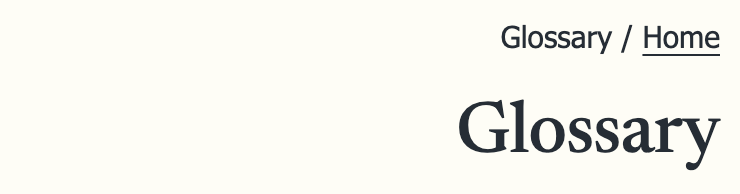
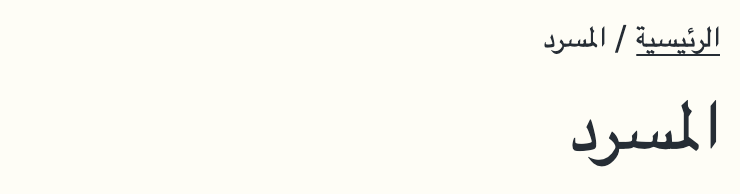
Visitors to the Chinese glossary no longer meet English labels on each term page. The breadcrumb now reads 首页 / 术语表, the language links 其他语言版本: 阿拉伯语 英语 德语 土耳其语, and the pager 上一条 / 下一条. The Arabic term pages already had all of these. The Arabic glossary hub now has the heading المسرد and the breadcrumb الرئيسية / المسرد. Before, both were English ("Glossary", "Home"), and in a right-to-left line they read backwards as "Glossary / Home". The hubs' search count ("12 of 260 terms") is now in each glossary's language too, and the Chinese hub's "Last updated on …" line reads 最后更新: 2026-11-03.
layouts/glossary/single.html: the Chinese dictionary gains the labels the Arabic one already had.layouts/partials/section_pager.html: Chinese Previous/Next, beside the Arabic ones.layouts/glossary/list.html: the Arabic hub's name and every hub's count format. The Arabic_index.mdis titled "Glossary" and ships frommainin the data artifact (as the template's existing comment on the lede explains), so the name is set in the template.layouts/partials/doors/crumbs.html: an optionalhomelabel for the first crumb. Every other page is unchanged.assets/js/doors/site.js: the count reads its format from the page.- The filter beside each term ("1 term", "No matching terms.", "Clear") now speaks the page's language in all five glossaries: 1 个术语 / 没有匹配的术语。 / 清除, and the hub's existing wording for Arabic, German and Turkish. The strings come from the dictionary in
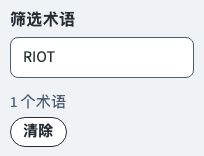
layouts/glossary/single.html, through data attributes on the filter (layouts/partials/doors/glossary_terms.html).
At 390 px, a Chinese term page: breadcrumb and language links
Before:
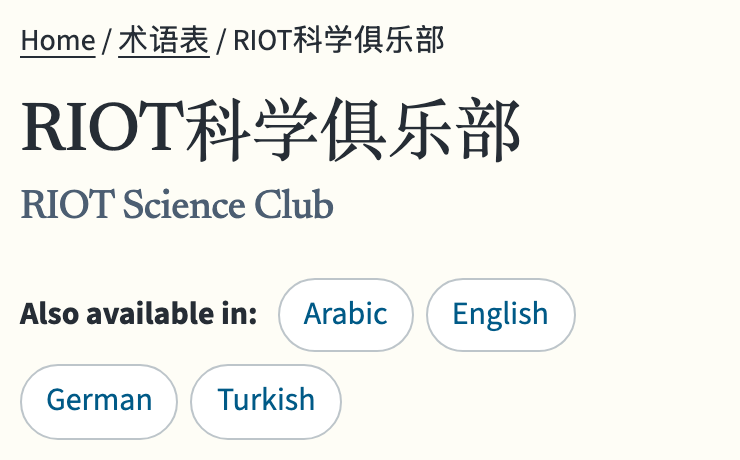
After:

At 1440 px
Before:

After:

The Chinese pager, 390 px
Before:
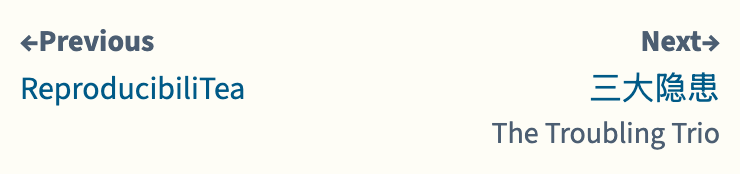
After:
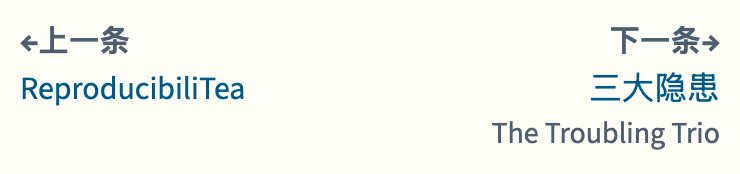
The Chinese pager, 1440 px
Before:

After:

The filter beside a Chinese term, searching "RIOT", 1440 px (on phones the same list sits in a "Find another term" disclosure)
Before:
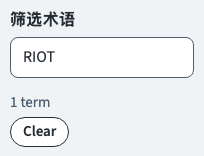
After:
The Arabic hub's heading, 390 px
Before:
After:
The Arabic hub's heading, 1440 px
Before:

After:

Both glossary reviewers in the hillclimb round raised these (DESIGN.md §10).
Decisions to review
- The new Chinese and Arabic wording needs a native speaker's check: 上一条 / 下一条, 其他语言版本, 首页, 导航路径 (the breadcrumb's accessible name, now also on the Chinese hub), 、 as the Chinese list separator, 最后更新:, "%s من %s مصطلحًا" for the Arabic count, and the term-page filter's Arabic plural forms (مصطلح واحد, مصطلحان, %d مصطلحات, %d مصطلحًا, %d مصطلح). المسرد and الرئيسية are the words the Arabic term pages already use.
- The Arabic hub's browser title stays "Glossary | FORRT". Changing it means changing
content/glossary/arabic/_index.mdonmain, because the data artifact ships that file frommain. - Not done: marking English reference entries with
lang="en"on Arabic and Chinese pages. References can be in any language, so a blanket attribute could be wrong.
Checks
python3 scripts/check_seo_html.py <build>: passed.python3 -m unittest discover -s scripts/tests: 145 tests passed.python3 scripts/rebrand/compare_builds.pyagainst a build ofrebrand-doors: OK (no SEO tag changes).- Hub search counts checked in a browser: "235 من 260 مصطلحًا", "14 / 262 个术语", "9 of 260 terms".
🤖 Generated with Claude Code
Summary by cubic
Chinese glossary term pages replace English breadcrumbs, language links, pager labels, and filter messages with Chinese; the Chinese hub’s last-updated label is localized too. The Arabic hub now uses Arabic for its heading and breadcrumb, and hub search counts use each hub’s language. Term filters are localized in all five languages, with Arabic plural forms selected by count. The Arabic hub’s browser title is unchanged.